

Going on Workation? Here's How to Choose A Destination.

This post may contain affiliate links. If you make a purchase through one, I may earn a small commission at no extra cost to you.
Maybe you aren't a digital nomad, but you're dying to get away from your desk at home. Here's my advice for choosing a workation destination.
If you work from home, we've all been there: You're grateful for the flexibility, but you also find yourself stuck at home for three days straight and dying for a change of scenery. If that's you, and you're interested in dipping your toe in the water of remote work travel, this post might be for you.
The issue I've found when researching remote work travel is there's a bit of an expectation gap. I'm not a digital nomad — I don't travel for multiple months continuously while I work remote (though I do go on 7-8 trips a year). Most of the advice I've found assumes multiple destinations and months of travel, and while I have done that, if you're starting out, you're probably looking for one destination to spend 1-2 weeks in.
Of course, every trip starts with a destination, so if you're wondering how to choose your ideal workation destination, here's what you should consider.
Be Realistic
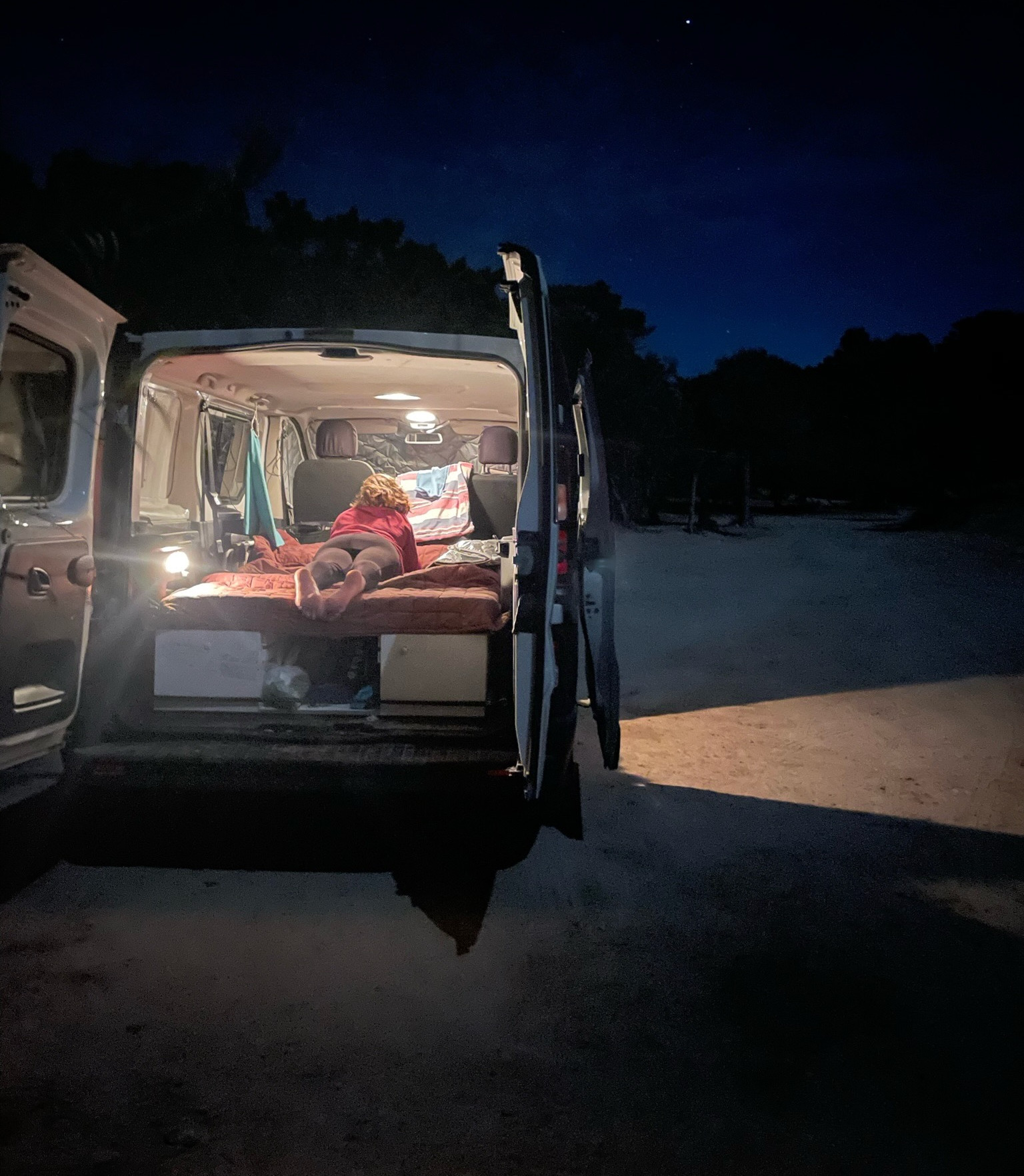
When it comes to remote work travel, I find I have the most fun when I'm realistic about where I'm going. To put it plainly, I have often found myself in situations where I assumed working remote from a destination would be easier than it would actually be.
While I have worked from the back of a van solely from a hotspot I probably paid too much money for, when starting your workation ventures, it's important to think about what about a place appeals to you. Is it simply visiting, appreciating the food and local culture, and maybe hitting a few hot spots? Perfect — book the trip. Do you want a booked itinerary? Maybe save that one for vacation time.
Travel FOMO is real, and you will feel some kind of way about "missing out" on what you're there for if you don't adjust your expectations.
Choose Your Time Zone Carefully
If you've been keeping up with my remote work travel advice for some time, you already know how important time zones are when considering your trip. Typically, this is one of the first things I consider when I choose a destination, though a crappy time zone selection wouldn't necessarily stop me from booking a place. Here's what I generally think about when looking at time zones:
The "keep it close to home" strategy: If you want to keep your regular work hours (or close to them), consider destinations in your usual time zone, or at the very most, within a time change of plus or minus one hour. This is easy for beginners, because you don't have to think too hard about when you'll have free time.
Pros | Cons |
Easy to think about, which makes it easier for first-time workationers. | Limited time before or after work to explore when adhering to the typical 9-5 schedule. |
The "work early, play during the day" strategy: This is what I consider when I'm traveling in Pacific time, as opposed to my usual Eastern time zone. Sometimes, if you want to have your afternoon free, it's easier to head somewhere within 3 hours behind your home time zone and start your work day obscenely early to keep your normal hours. This is best for people who focus at work early in the morning, and don't mind waking up at 5 or 6 to start the work day.
Pros | Cons |
You finish your workday around 3 p.m. at the latest, leaving plenty of afternoon time for exploration. |
|
The "split up my day" strategy: This is my preferred strategy for overseas travel, when I'm working 5-7 hours ahead of my usual time zone. I find that working some focused hours in the morning of the local time zone and returning in the afternoon still allows me to complete a full work day (with the bonus of focused time in the morning) while also getting some prime exploration hours in. This obviously works best if your employer (or clients) are ok with you flexing your schedule.
Pros | Cons |
|
|
Wifi: Don't Underestimate Its Importance

Maybe this feels like a "duh" thing to read, but let me tell you — when you're in the thick of it, you'll wish you would have put more time into thinking about your wifi circumstances. Knowing you'll have a reliable connection goes a long way when choosing a destination, which is why I like to stick to the road more commonly traveled when I'm working. By choosing a home base in a large city, you can almost guarantee you'll be able to find a hotel or co-working space with reliable connection, and you can plan more remote excursions for the weekend.
Of course, connectivity goes beyond just your general destination. When you're looking at lodging — especially if its an apartment — read reviews to make sure the internet is stable enough for you to work while you're there.
Flight Time vs. Trip Length Ratio
I've said it before, and I'll say it again: If you're working while you travel, you need more time in a destination than you think you do. This isn't quite a vacation, and you're going to have days where you a) work longer than anticipated, or have calls run late, b) have to move around your sightseeing schedule, or c) don't really feel like sightseeing after a long day.
With this in mind, it's important to consider how many days you can realistically spend in a place in addition to how long it will take you to get there. As opposed to vacation, where you have roughly 8-10 hours a day to explore, when you’re working, you really only get 3-4 hours a day, if you’re lucky. With this in mind, it may not be worth long travel hours for what realistically could only amount to one full day in a place, if you have limited time. Ideally, workation goes smoothly when you have a generous amount of time in a destination, or you know you only have to work 1-2 days while you’re there for a shorter period.
For the average person, it doesn’t make sense to fly to the other half of the world for a week when you’re working most of your time there. For others, maybe it does. If that’s you, live your life, queen.
My Top Work From Anywhere Destinations
Still unsure where to start? I highly recommend New York City, Chicago, and San Diego if you want to keep to the US. Favorites in Europe include London, Barcelona, and Berlin.
For me, there’s a common thread in all of these destinations: All of them have plenty of sights to see, but are equally enjoyable if you’re just looking to enjoy a low-key evening after work to people watch. They're also all within reasonable day-trip destinations for weekends. Ultimately, the best workation destination is one where you can simply enjoy the novelty of a new place.
Unsure of how to get started? Check out some of my other workation tips and be sure to subscribe to my mailing list to get a free packing list.



Comments